
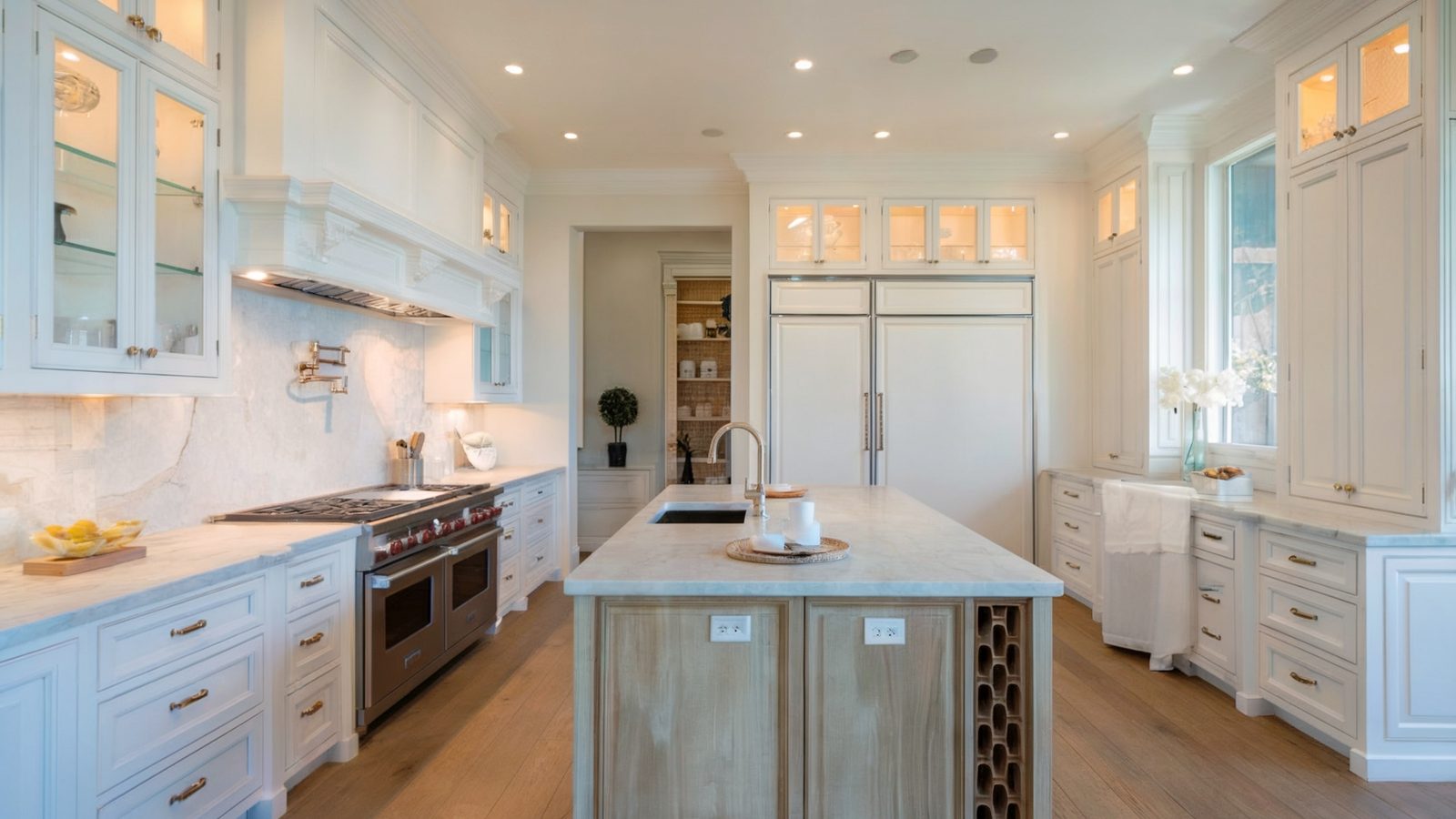
Single-unit turns, floor-by-floor refreshes, common areas and lobbies, and full repositioning of an older building. Remodeling Beverly Hills does all of it for landlords, property managers and small building owners across Beverly Hills and the Los Angeles Westside.
On income property the budget is not really the budget. Vacancy is. Call (424) 766-1835 and we will price the work against a completion date instead of an open schedule.
Turnover work, priced by the day it takes
A unit sitting empty in this market costs $150 to $400 a day in lost rent. That figure should drive every decision on a turn, and it is why we quote turnover work with a fixed completion date and the crew size needed to hit it rather than the crew size that is most efficient for us.
The scopes that actually pay back on a turn are narrow and consistent: flooring, paint, kitchen and bath fixtures, lighting, hardware and a professional clean. Beyond that, returns fall off quickly unless the unit is being repositioned to a different rent tier.
The work that quietly costs the most is the work you cannot see from the doorway. A slow leak under a sink that has been rotting the cabinet base for two tenancies, an original galvanised supply line reducing pressure to a trickle, and an electrical panel with no capacity for the induction range you were planning. We look for those before quoting, because finding them mid-turn is what turns a two-week schedule into six.
Specification for a rental, not for an owner
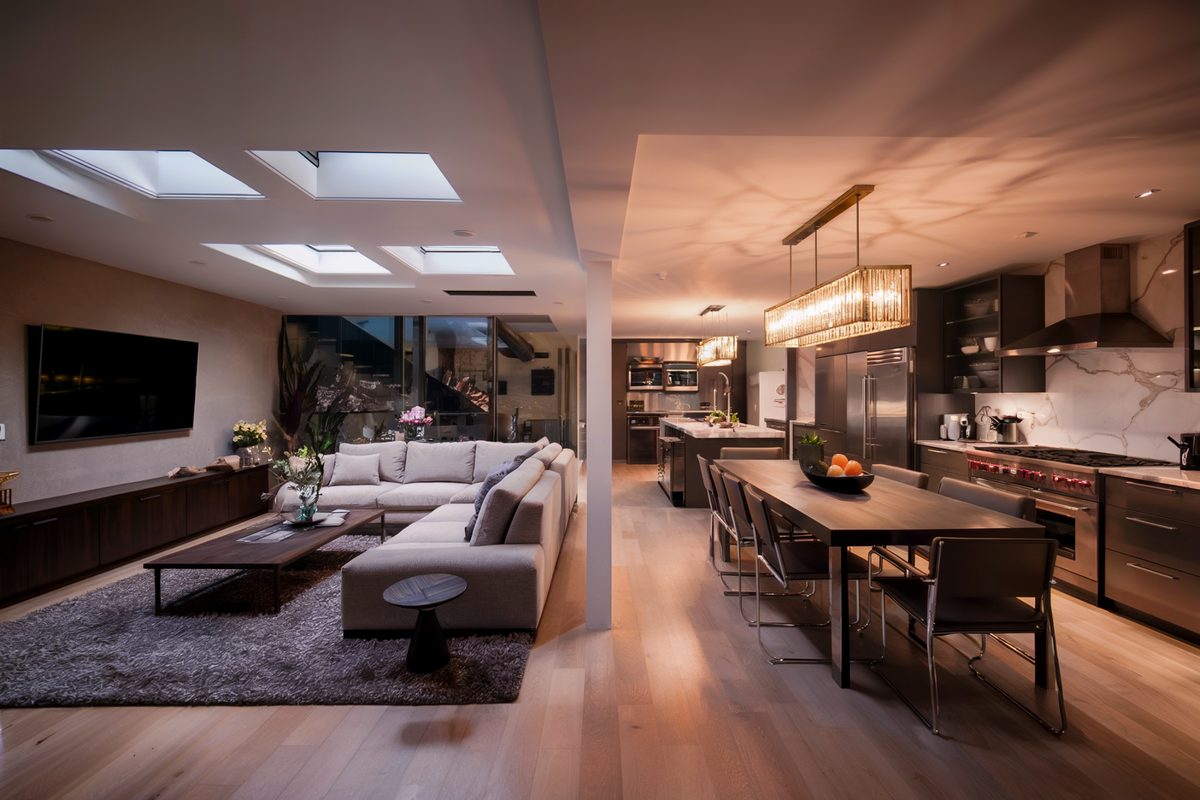
- Luxury vinyl plank over carpet. Ten to fifteen year service life against three to five, no re-stretching, and it survives a tenancy with a dog. The upcharge pays back in one turn cycle.
- Solid-surface counters over laminate. Laminate delaminates at the sink cutout within a few tenancies. Quartz remnants cost very little on a small galley kitchen.
- Semi-gloss or satin in a washable paint line. Flat paint on a rental wall means repainting every turn instead of washing it.
- Standard, in-stock fixtures across the whole building. One faucet model, one toilet, one valve trim. Repairs become a cartridge from the van instead of a two-week special order, and the maintenance cost over ten years is dramatically lower.
- Solid-core doors and quality hardware at entries. Sound transmission between units is the leading complaint in older buildings, and it is a retention issue rather than a cosmetic one.
Working in an occupied building
Noise, notice and access
California requires reasonable written notice before entering an occupied unit, generally 24 hours. On common-area work we publish a schedule to residents at the outset and hold to it, because a building where residents can plan around the work generates a fraction of the complaints of one where they cannot. Work hours are limited by local noise ordinance, which differs between Beverly Hills, Los Angeles, West Hollywood and Santa Monica.
Utilities and shutoffs
Older buildings often have no unit-level shutoffs, so replacing a single faucet means shutting down a riser or the building. Adding unit isolation valves during the first turn on each stack is a small cost that removes that problem permanently.
Rent stabilisation
Beverly Hills, Los Angeles, Santa Monica and West Hollywood all have rent stabilisation ordinances with different rules on capital improvement pass-throughs, primary renovation programmes and tenant protections during major work. What you may do, what you must notice, and what you can recover all differ by city. We build to whatever the ordinance requires and we recommend you confirm the specifics with counsel before a large scope on an occupied building.
Repositioning an older building
Where the plan is to move a whole building up a rent tier rather than maintain it, the sequence that works is exterior and common areas first, then units as they vacate naturally. Prospective tenants form an opinion in the first thirty seconds, and that opinion is formed in the entry, the lobby and the hallway rather than in the unit.
The highest-return common-area items in this market are consistently: lighting, which is cheap and transforms a dark 1960s corridor; secure entry with a modern intercom; laundry room condition; parking area lighting and surface; and landscaping at the street frontage. Corridor flooring and paint come next.
Two building-scale items are worth pricing at the same time because they are disruptive and you only want to do them once: repiping, if the building still has galvanised supply, and electrical service capacity, if you intend to offer in-unit laundry or modern appliances. Both are far cheaper to do alongside a repositioning than as an emergency later.
Why landlords and managers keep us on
A vacant unit is a daily cost, so we price the turn by the day
On rental work the real budget is not the invoice, it is the rent lost while the unit sits. We quote turns against a fixed number of working days, pre-order finishes so nothing waits on delivery, and sequence trades to overlap where they safely can. The honest comparison is not the cheaper bid: it is the cheaper bid plus three extra weeks of vacancy, which usually reverses the answer.
Specified for a tenant, not for an owner
Owner-grade finishes on a rental are money you do not get back. The right specification is durable and repairable: mid-range LVP over engineered timber, semi-gloss on the trim, a standard paint and tile kept in stock across the whole building so a future repair matches without a repaint, and fixtures chosen because the parts are available. We keep a schedule per building so unit fourteen matches unit three in five years' time.
Working around tenants who are still living there
Occupied buildings run on notice periods, restricted working hours, protected access routes, planned water and power shutoffs, and dust and noise control that holds up to a complaint. Rent stabilisation adds its own constraints on what can be done and how it is handled. Licensed, bonded and insured under CSLB #886079, with certificates of insurance to your management company on request.
What our clients say
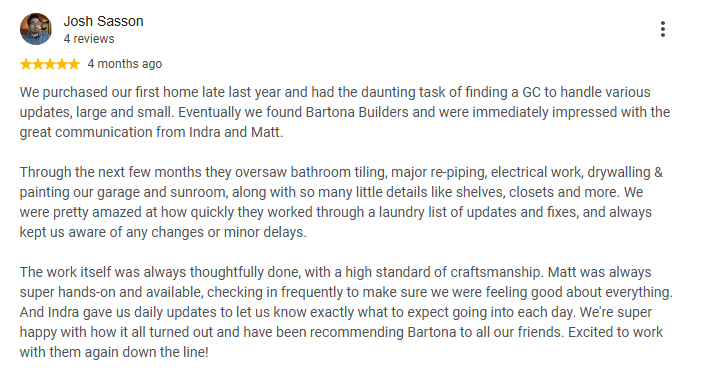
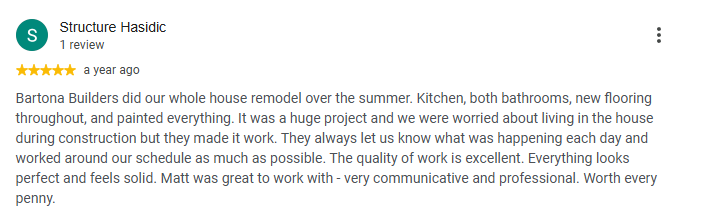
Reviews posted by homeowners we have built for, shown as screenshots exactly as they were written.
Talk to a Beverly Hills remodeling contractor
On-site estimate, straight answers on budget and schedule, and a written scope before anyone swings a hammer.
Call (424) 766-1835Frequently asked questions
How fast can you turn a unit?
A standard one or two bedroom turn with flooring, paint, fixtures and a clean runs seven to fourteen days with a dedicated crew. A full gut of a unit runs four to eight weeks. We quote turns against a completion date because vacancy is the real cost.
What does a unit turn cost?
A refresh with flooring, paint, fixtures and hardware typically runs $8,000 to $25,000 for a one or two bedroom. A full unit gut with new kitchen and bath runs $45,000 to $110,000 depending on size and finish tier.
Can you work on occupied buildings?
Yes, and most of our income-property work is in occupied buildings. We publish a schedule to residents, comply with the 24-hour notice requirement for unit entry, and work within local noise ordinance hours, which differ between Beverly Hills, Los Angeles and Santa Monica.
Do rent stabilisation rules affect what I can renovate?
They can affect notice requirements, tenant protections during major work, and whether costs can be passed through. Beverly Hills, Los Angeles, Santa Monica and West Hollywood each run different programmes. We build to whatever the ordinance requires; confirm the legal specifics with counsel before a large occupied-building scope.
Do you handle multiple units at once?
Yes. Phased programmes across a building are a large part of what we do, and running several units in sequence with one crew and one materials order is cheaper per unit than turning them one at a time as they come up.