
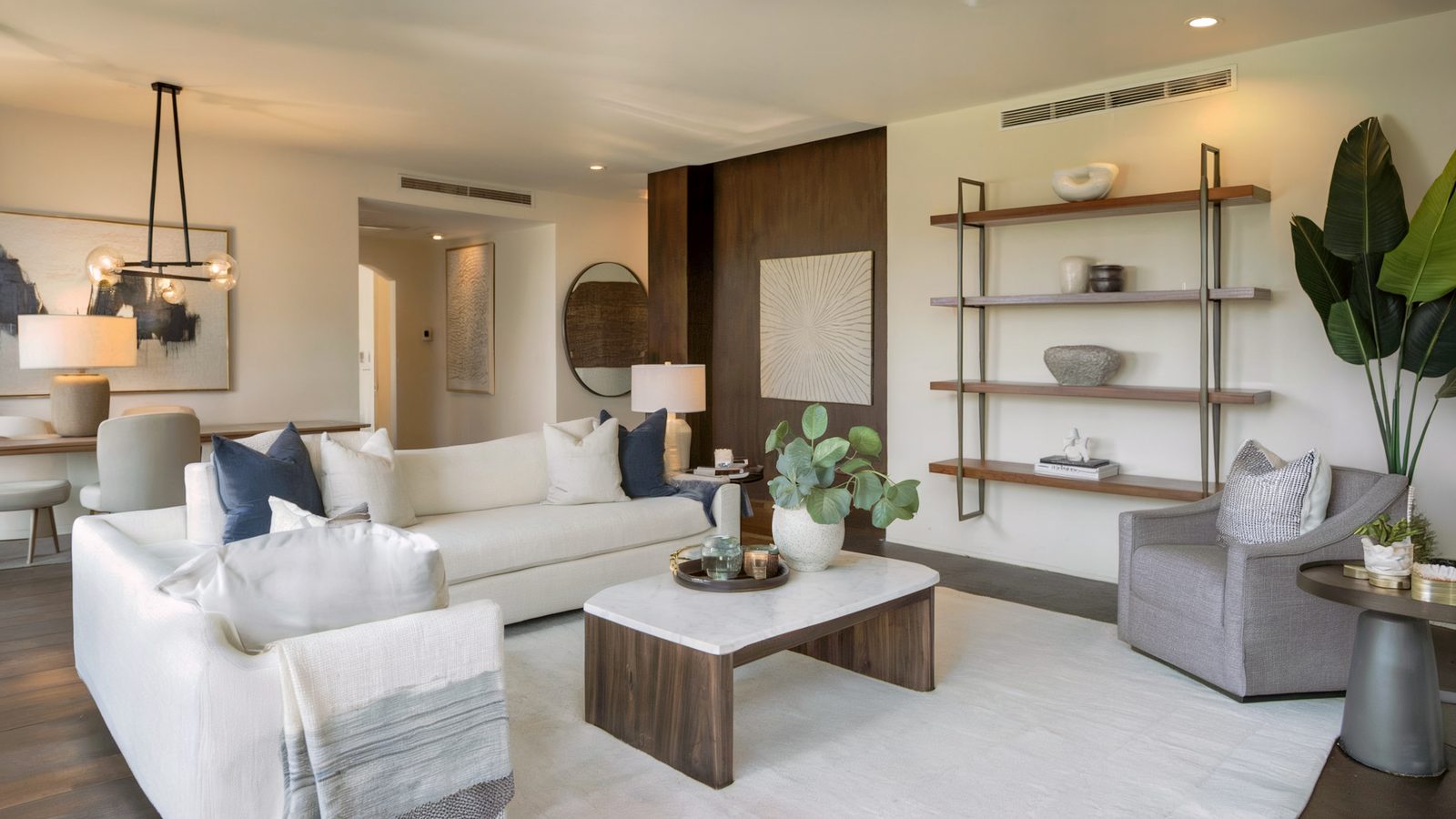
Hancock Park holds some of the best-preserved 1920s architecture in Los Angeles, on lots between Wilshire and Melrose that have barely been subdivided since. Remodeling Beverly Hills restores and renovates those houses, Tudor Revival, Mediterranean Revival and Colonial Revival alike.
This is the neighbourhood where our workshop background matters most, because most of what these houses need is millwork, plaster and hand skills. Call (424) 766-1835 and we will look at what is original.
Working inside an HPOZ
Hancock Park is a Historic Preservation Overlay Zone, and neighbouring Windsor Square is another. Within an HPOZ, exterior alterations visible from the public right of way require review by an HPOZ Board against the district's adopted preservation plan, in addition to the ordinary building permit.
What that means in practice: window replacement, roofing material and colour, exterior finish, porch and entry changes, front-yard walls, fences and driveway materials, and any addition affecting the street elevation are all reviewable. Interior work generally is not, so most Hancock Park projects concentrate their changes inside and treat the exterior as restoration rather than redesign.
Review is not an obstacle when the design anticipates it. What causes delay is a design drawn as though the district did not exist: vinyl windows in a Tudor opening, a roof colour outside the palette, a front wall above the permitted height. We prepare HPOZ submittals as part of the contract and we advise on the design before it is drawn.
What these houses are made of
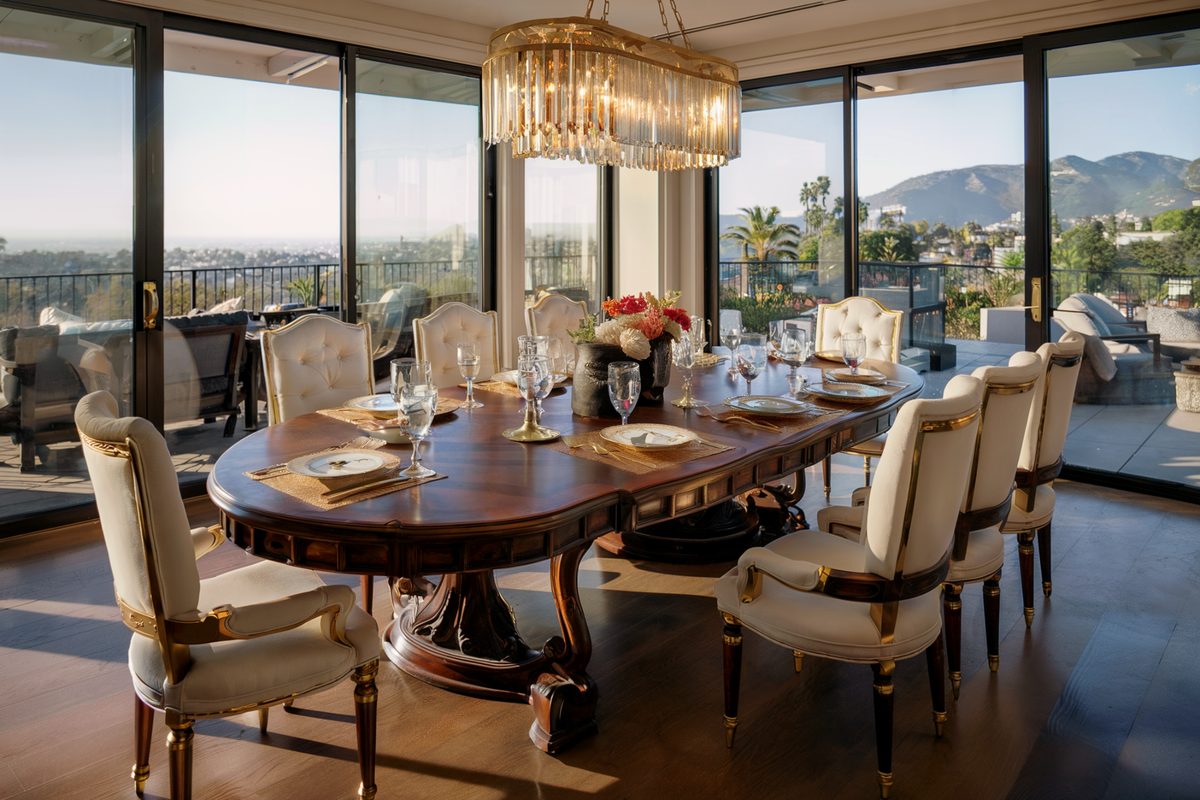
Tudor Revival
Steeply pitched roofs, decorative half-timbering over stucco, tall narrow casement windows often with leaded glass, and substantial interior millwork. The half-timbering is decorative rather than structural and its junction with the stucco is a classic water entry point. Leaded glass panels can be releaded and reset rather than replaced.
Mediterranean and Spanish Colonial Revival
Clay tile roofs, hand-troweled stucco, arched openings, wrought iron and tile work. The tile is frequently original and out of production, so a re-roof means lifting and stacking it, replacing the underlayment beneath, and relaying the same tile. Discarding it is irreversible.
Colonial Revival and traditional
Symmetrical elevations, double-hung sash windows with weights and pulleys, painted wood trim and shutters. Original sash can be restored with new weatherstripping and interior storm panels for far better results than a replacement unit gives in the same opening.
Systems in a hundred-year-old house
Everything mechanical in these houses is past end of life. Knob-and-tube wiring, galvanised supply lines, cast iron waste, original gravity furnaces converted at some point to forced air, and no insulation anywhere. All of it is replaced in a serious renovation.
The craft is doing it without destroying the plaster, the millwork and the floors that make the house worth renovating. That means routing new services through closets, chases, the attic and the crawlspace; stacking new bathrooms above or below existing ones so drain lines have somewhere to go; and opening plaster in planned strips that can be patched invisibly rather than wherever a trade finds it convenient.
Plaster repair itself is a specific skill. New lath, a scratch coat, a brown coat and a finish coat troweled to match the surrounding texture, not a drywall patch with a skim over it, which will read under raking light for the rest of the house's life.
Where Hancock Park owners spend
The consistent pattern across this neighbourhood is money spent inside and restraint applied outside. Kitchens get fully modernised, usually by absorbing a butler's pantry or a service porch that the original plan included and modern life does not use. Bathrooms get rebuilt, and the ones that were carved out of bedrooms in the 1960s get put back properly. Basements (genuine ones exist here, unusually for Los Angeles) become media rooms, gyms and wine cellars.
Outside, the work is restoration: re-roofing in matched tile or slate, repairing instead of replacing original windows, hand-troweled stucco repair, and rebuilding porches and entries to the original detail. Landscape and driveway materials matter more here than in most neighbourhoods because they are within the review scope.
Larchmont Village and the Wilshire Country Club give the area a village character that owners are generally trying to preserve rather than improve upon, and the renovations that succeed reflect that.
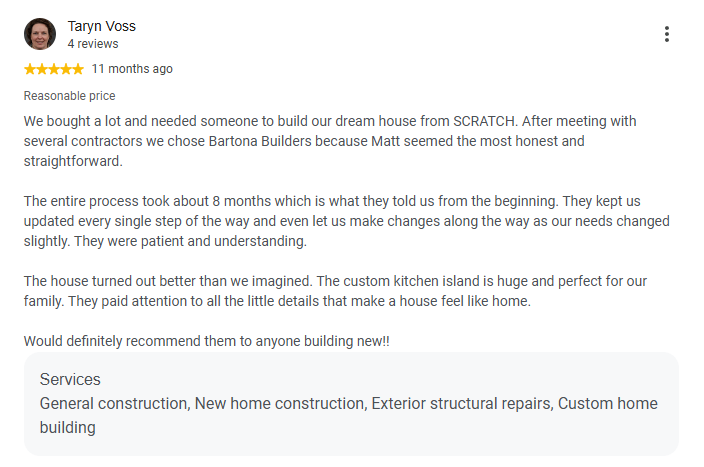
What our clients say
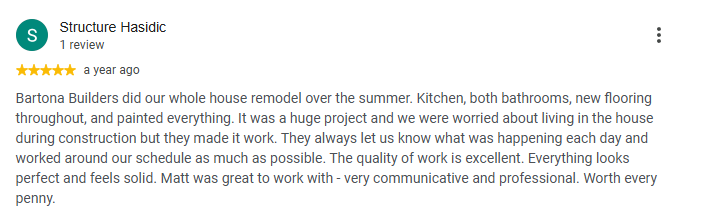
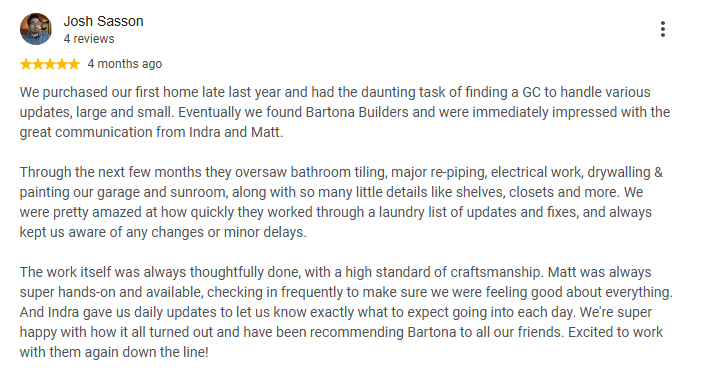
Reviews posted by homeowners we have built for, shown as screenshots exactly as they were written.
Talk to a Beverly Hills remodeling contractor
On-site estimate, straight answers on budget and schedule, and a written scope before anyone swings a hammer.
Call (424) 766-1835Frequently asked questions
What is an HPOZ and does it apply to my house?
A Historic Preservation Overlay Zone is a designated district where exterior alterations visible from the street require review against an adopted preservation plan. Hancock Park and Windsor Square are both HPOZs. If your property is inside the boundary, it applies regardless of the age or style of your house.
Can I replace my windows in Hancock Park?
Yes, but the replacement has to be compatible with the district's preservation plan, and vinyl or a heavier frame profile in an original opening will generally not pass. Restoration of original sash or steel casements, or a matched-sightline replacement, is the route that gets approved.
Does HPOZ review cover interior work?
Generally no. Interior alterations are typically outside the scope, which is part of why most Hancock Park renovations concentrate their changes inside and treat the exterior as restoration. Structural and mechanical work still needs an ordinary building permit.
How much does a Hancock Park restoration cost?
Period restoration typically runs 20 to 40 percent above a comparable conventional remodel because matched materials and hand methods take longer. Full renovations here commonly run $400 to $900 per square foot depending on how much original fabric survives.
How long does HPOZ review take?
It varies with the board's meeting schedule and the complexity of the proposal: commonly one to three months for work requiring full board review, less for items that can be handled at staff level. We build it into the schedule from the start.