
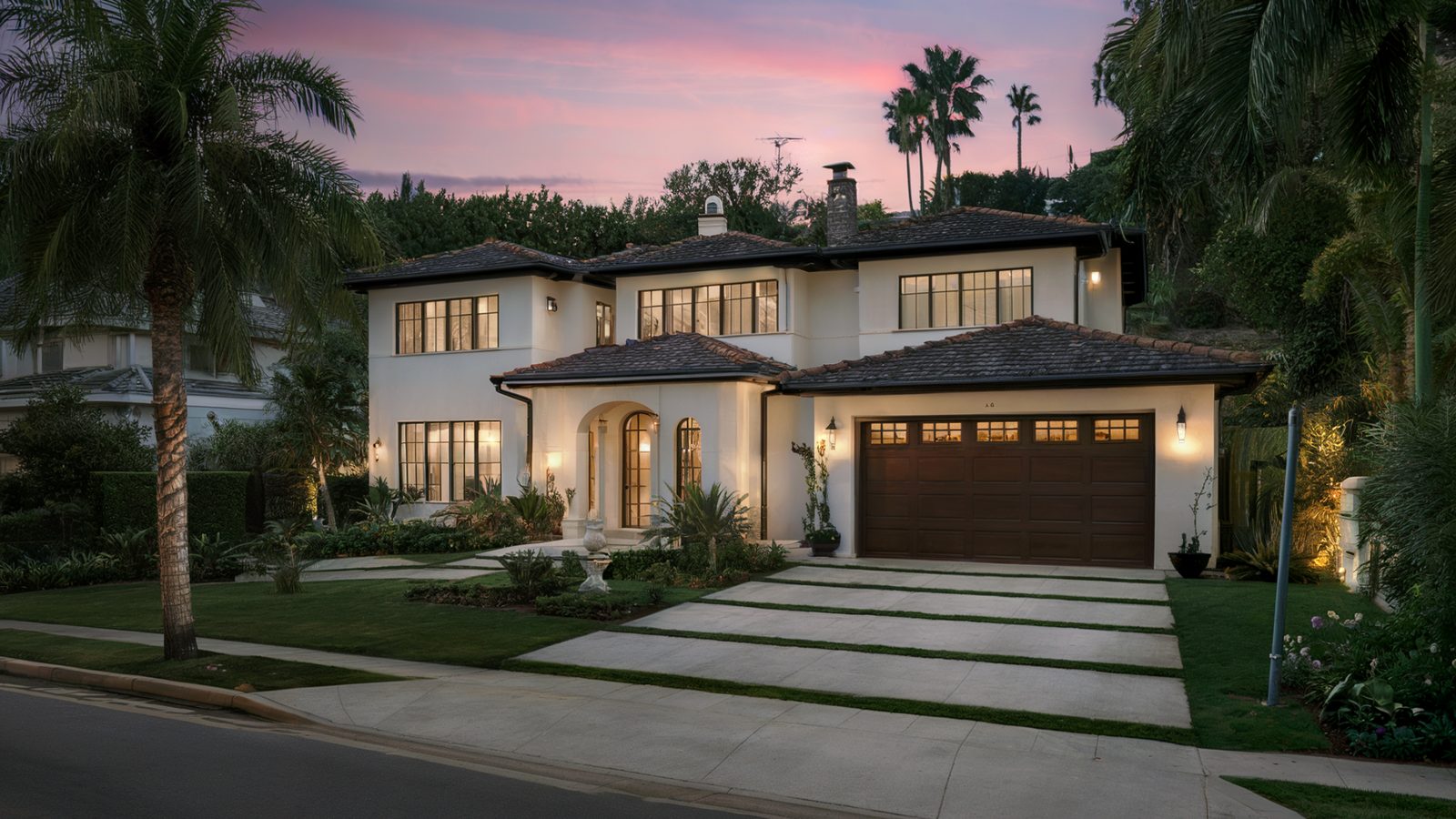
The 1920s and 1930s bungalows in Magnolia Park, the post-war tracts through the middle of the city, and the equestrian properties out in the Rancho District. Remodeling Beverly Hills remodels across all of Burbank.
Burbank is one of the more straightforward cities on the Valley side to build in, and the housing stock rewards attention. Call (424) 766-1835 for an on-site estimate.
Magnolia Park and the pre-war bungalows
Magnolia Park is the oldest residential fabric in Burbank: 1920s and 1930s Spanish Colonial Revival, Tudor and California bungalows on a regular grid of modest lots, with the Magnolia Boulevard commercial strip running through the middle of it.
The houses are small by current standards, typically two bedrooms and one bath at 900 to 1,400 square feet, which makes the standard project here an addition instead of a reconfiguration. Rear additions and primary suites are the most common, and second storeys where the lot will not take more footprint.
Behind the plaster: knob-and-tube on at least one circuit more often than not, galvanised supply, cast iron waste, a 60 or 100-amp panel, and no insulation. The original detail worth keeping is usually the arched openings, coved plaster, hardwood floors, and the clay tile or wood shingle roof profile. Barrel tile on these houses is frequently original and worth lifting and relaying rather than replacing.
Burbank runs its own building department
Burbank is a separate city from Los Angeles with its own Community Development Department Building Division at 150 North Third Street. Plan check, inspections and local amendments are Burbank's.
It is generally a comfortable department to work with: a mid-sized city with a functioning counter, and turnaround on a well-prepared residential submittal that compares favourably with LADBS. Burbank has also been comparatively supportive on accessory dwelling units, which combined with the lot pattern makes it one of the better ADU markets in the Valley.
One local item worth knowing: Burbank Airport lies at the north end of the city, and properties within the airport influence area can carry noise-related construction requirements and disclosure obligations. It affects a limited number of parcels and it is worth confirming instead of assuming.
The Rancho District and horse-keeping property
The Rancho District, in the south-east of the city near the Los Angeles Equestrian Center, is one of the few remaining urban horse-keeping neighbourhoods in the region. Zoning here permits keeping horses on residential property, and the parcels are laid out for it: deep lots, rear access, and barns and stables as ordinary accessory structures.
That produces work we do almost nowhere else: barn and stable renovation, tack room build-outs, converting stables to studios and ADUs, and additions on properties where the rear yard is a working equestrian area rather than a garden.
The zoning also constrains things in ways owners do not expect. Setbacks and separation requirements between animal-keeping areas and dwellings apply, and converting a stable to habitable space needs the same occupancy change work as any other conversion: floor, ceiling height, insulation, light and ventilation, egress. It is a rewarding conversion and it is not a simple one.
Post-war tracts and the everyday work
- 1940s and 1950s tract housing across the middle of the city: simple frame construction, regular lots, and the same closed-kitchen plan that every ranch tract in the region has. Opening it up is the most common request.
- Additions on deep lots, which the Burbank grid provides generously. Rear extensions and primary suites are usually well within the floor area allowance.
- Detached garage ADU conversions, typically $95,000 to $195,000, and well suited to the alley-served rear garages that are common across the older streets.
- Home offices and studios, driven by the concentration of studio and post-production work in the city. Sound isolation is the requirement, and it is the part that most conversions skip.
What our clients say
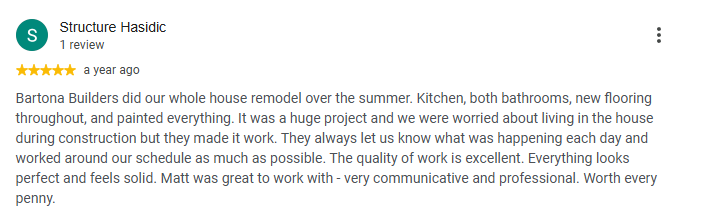
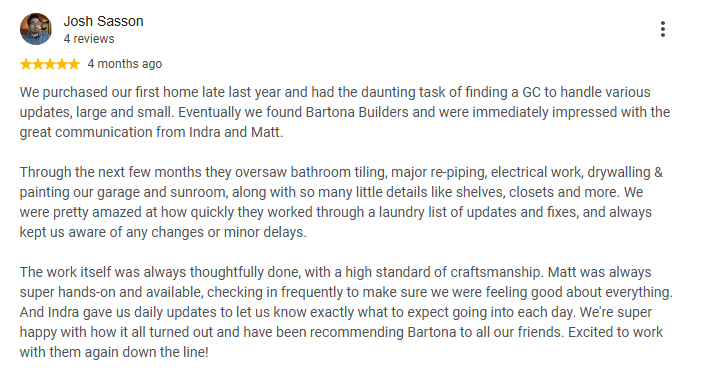
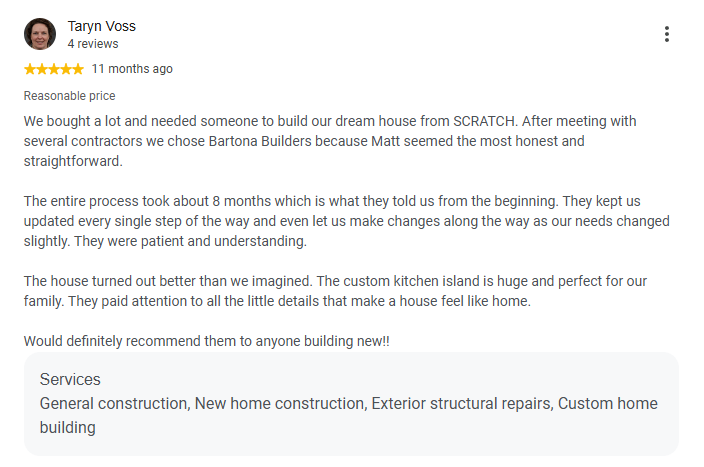
Reviews posted by homeowners we have built for, shown as screenshots exactly as they were written.
Talk to a Beverly Hills remodeling contractor
On-site estimate, straight answers on budget and schedule, and a written scope before anyone swings a hammer.
Call (424) 766-1835Frequently asked questions
Who issues permits in Burbank?
Burbank's own Community Development Department Building Division at 150 North Third Street. It is a separate jurisdiction from Los Angeles with its own plan check, inspectors and local amendments, and turnaround on a well-prepared residential submittal is generally good.
Can I add on to a Magnolia Park bungalow?
Usually yes. These are small houses on regular lots, so rear additions and primary suites are the standard project and typically sit well within the floor area allowance. Second storeys are an option where the lot will not take more footprint.
Can I keep horses on my Burbank property?
In the Rancho District, yes: zoning there permits horse-keeping on residential property, and the parcels are laid out for it with deep lots and rear access. Setback and separation requirements between animal areas and dwellings apply.
Can a stable be converted into living space?
Yes, and it is a conversion we do in the Rancho District. It needs the same occupancy change work as any other: floor assembly, ceiling height, insulation, light and ventilation, and egress. It is rewarding and it is not a simple job.
Is Burbank a good market for ADUs?
One of the better ones in the Valley. The lot pattern suits it: deep parcels with alley-served rear garages that convert cleanly. The city has also been supportive. A garage conversion typically runs $95,000 to $195,000.